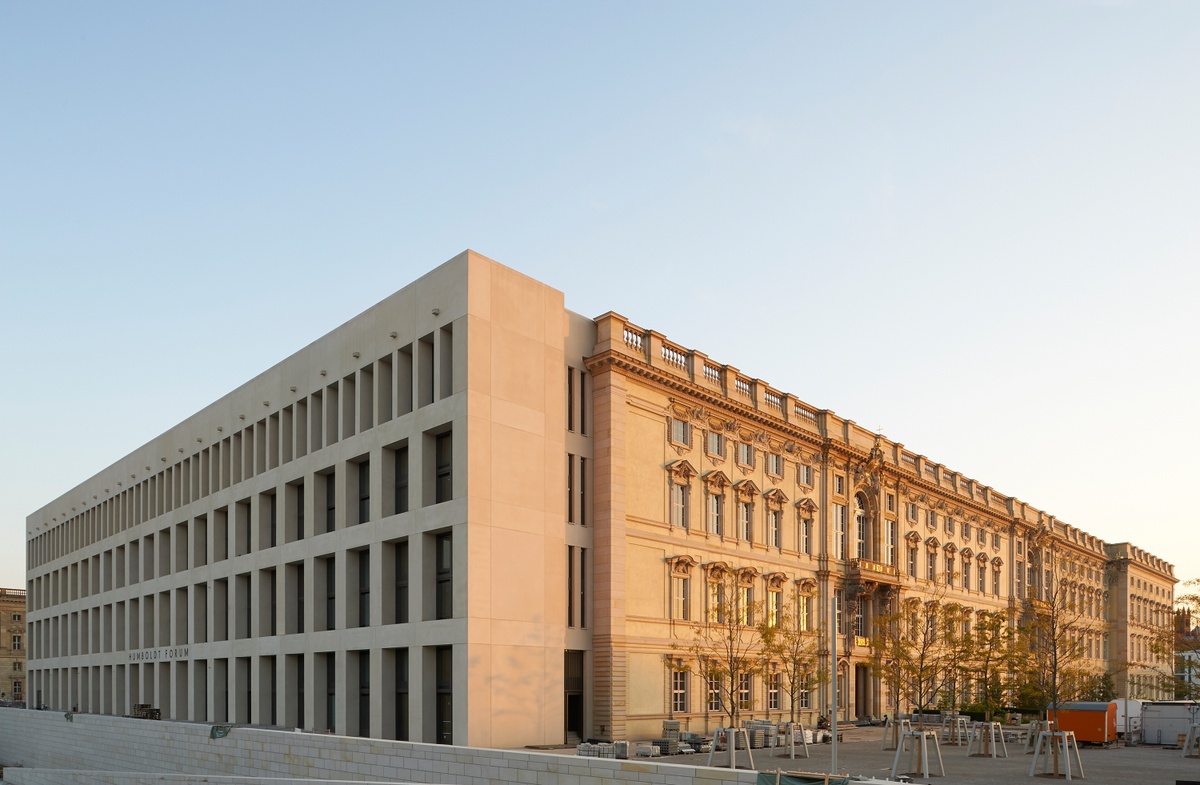
Späti: Museum goes Stadtraum: Umwelt kreativ entdecken

In the organizer's words:
How the Ethnological Museum is revitalizing environmental education with creativity and heart
How do museums actually reach people who have previously had little to do with environmental and climate education? And how do you get them not just to listen, but to really take part and have fun? This is exactly what our discussion event on the "Come together!" project is all about.
Since 2023, the Ethnological Museum has been working on the project, which has a special focus on activities with women with refugee experience, especially from Ukraine and Bosnia. Together, we want to use creative and low-threshold formats to create a space in which environmental and climate issues come to life and invite exchange.
Together with our project partners, we have developed workshops, urban space activities and encounters that combine cultural knowledge, art and science. The museum brings in exciting environmental ethnological perspectives, because our relationship with nature is as diverse as the cultures of mankind.
We also drew inspiration from artists who have opened up new ways of thinking with their interventions in the museum. The result is formats that not only inform, but also encourage participation and creativity.
So: Fancy fresh, creative environmental education that inspires and connects? Then discuss your ideas with us - we look forward to hearing from you!
Schedule
16:30-17:00 DJ Scampylama Sound
17:00-18:00: Educational theater session on the topic of the environment
18:00-19:00: Talk
19:00-19:30: Musical finale with DJ Scampylama Sound
PARTICIPANTS
Begzada Alatovic came to Germany as a refugee from the Bosnian town of Modrica with her young son during the war in Yugoslavia in the early 1990s. Today she works for the non-profit organization südost Europa Kultur e.V. as head of the intercultural community garden Rosenduft and also as a language mediating social counsellor. As part of the community garden, she supports Bosnian refugee women in creating this garden together with different people from the social environment and helps them to process their war experiences and to work together with different people on a voluntary basis and literally put down roots in our society. She is also involved in various institutions and projects as a contemporary witness of the Yugoslavian war.
The non-profit association südost Europa Kultur e.V. has combined social work and culture into an overall concept since its foundation in 1992. All activities serve the goals of tolerance, international understanding and integration, peace and democracy. The work is explicitly directed against nationalism and racism. The association offers social counseling, outreach social work, various therapeutic offers (group therapy and therapeutic self-help groups), sponsorships in the form of monetary or material donations, low-threshold educational and employment offers, youth projects and family support and focuses on immigrants from South-East Europe. The association sensitizes authorities to migration-specific issues and traumatized refugees and maintains an intercultural garden as a therapeutic measure for traumatized people and their friends.
The association's projects have been and continue to be supported by various European funds, Berlin Senate and district administrations, the Federal Office for Migration and Refugees, the Federal Foreign Office and many others.
The association and its employees have received several awards: Louise Schröder Medal, Moses Mendelssohn Prize and the Integration Prize of the Bridging Foundation for Begzada Alatovic
Dr. phil. Patrick Helber studied history and political science in Tübingen and Dublin and received his doctorate in modern and contemporary history in Heidelberg in 2014. His book "Dancehall and Homophobia" deals with postcolonial perspectives on the history and culture of Jamaica. He lives in Berlin, works at the Ethnological Museum as a research assistant in the field of education and mediation and is the presenter of a radio program about Caribbean popular culture. Patrick Helber has also been releasing reggae, ska and dancehall on vinyl under the name Scampylama Sound since 2003. https://soundcloud.com/scampylama
Roksolana Ludyn, born on October 11, 1986 in Ukraine, lives in Berlin and has been working in various areas of museum education since 2022, including at the Staatliche Museen zu Berlin, the Humboldt Forum and the Humboldt Labor. She designs, organizes and conducts educational and outreach programs, especially with a focus on socially inclusive and intercultural mediation. She previously worked as an educational assistant in children's and youth museums and has many years of experience in theater education and creative training formats. She studied cultural studies at the Kyiv-Mohyla Academy.
Further information: free of charge. Language: English. Location: Mechanical arena in the foyer. Part of: SPÄTI
Location
You might enjoy this as well?







Events near you
Activities near you
Popular event locations
The best event recommendations for the Rausgegangen App!

Gemeinsam Events erleben
Events werden noch schöner wenn wir sie teilen! Deshalb kannst du dich jetzt mit Friends und anderen Usern vernetzen um Events gemeinsam zu besuchen. Loslegen