In the organizer's words:
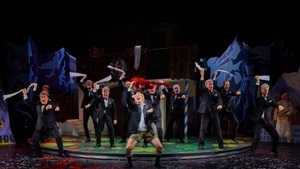
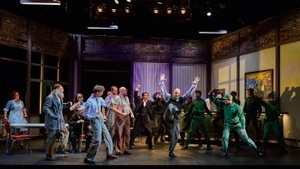
At the center of the story is the village of Anatevka. Its inhabitants live in the rut of their old traditions. Among them is the milkman Tevje with his wife Golde and their five daughters. Like everyone in Anatevka, Tevje and his family struggle against oppressive poverty and regular anti-Jewish riots. He imagines in the most beautiful colors what he would do if he were rich one day. As if the earthly burden was not already great enough under the given circumstances, Tevje's unshakeable faith in tradition is put to several severe tests by the marriage intentions of his three eldest daughters: He wants sons-in-law other than a poor tailor or a revolting student. When Chava, the third daughter, marries a Russian against his will, she is disowned by Tevje. Meanwhile, the Jewish pogroms continue to increase. Anatevka is evacuated and Tevje's family is torn apart for good. What remains is the hope of a later reunion.
Anatevka is one of the great musical classics of the 20th century. The main difference between Anatevka and the typical Broadway musical is the seriousness of the subject matter. Joseph Stein based his book on the series of stories Tewje, der Milchmann (1916) by Scholem Alejchem, one of the most important co-founders of Yiddish literature. Jerry Bock's score combines exuberant dance music, ritualistic tunes and melodrama to create a very unique, melancholy sound. Under the original title Fiddler on the Roof - based on a painting by Marc Chagall - Anatevka had its acclaimed premiere on Broadway on September 22, 1964 and won nine Tony Awards the following year.
Location








Events near you
Activities near you
Popular event locations
The best event recommendations for the Rausgegangen App!


Gemeinsam Events erleben
Events werden noch schöner wenn wir sie teilen! Deshalb kannst du dich jetzt mit Friends und anderen Usern vernetzen um Events gemeinsam zu besuchen. Loslegen