Dieses Event ist vorbei. Hier geht’s zu
coolen aktuellen Events.
Event ist beendet
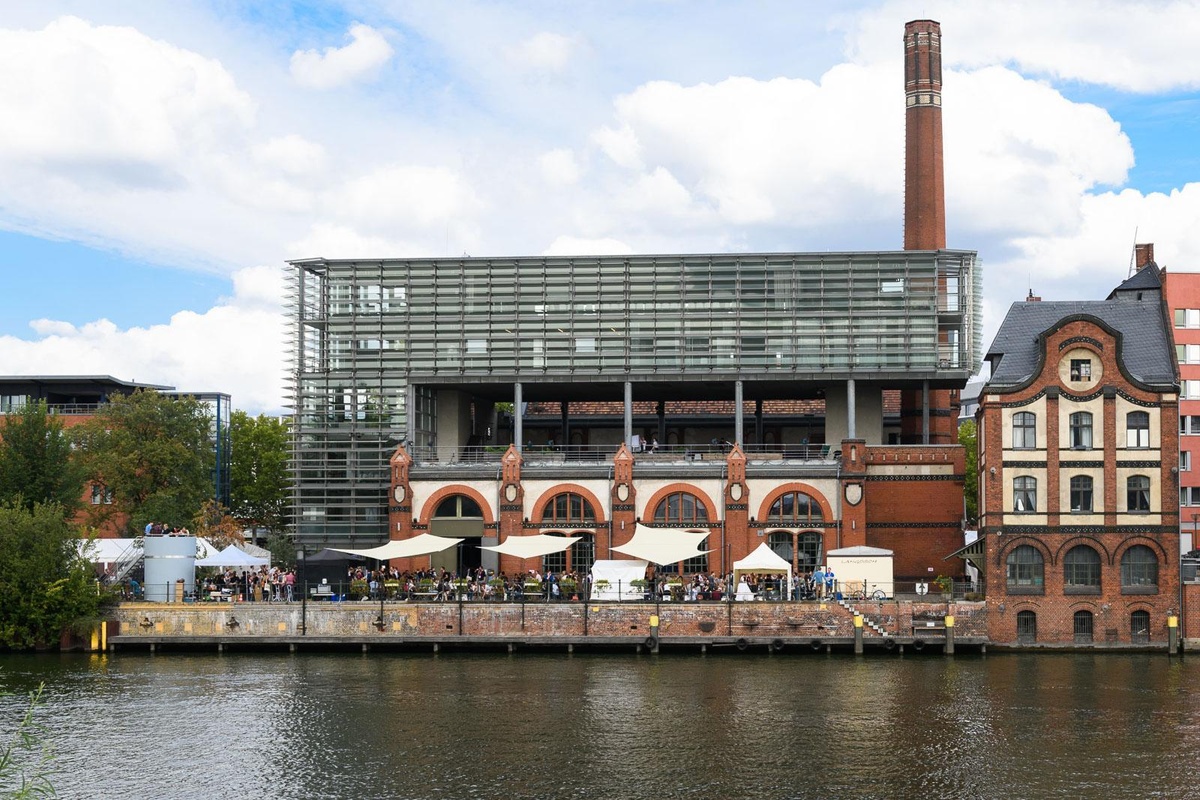
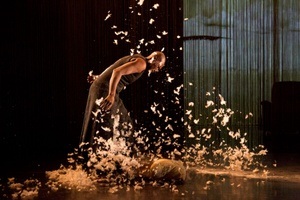
PHOTO:
© Phil Dera
Eight Songs for a Mad King
PICK OF THE DAY
You cannot miss this event.
Sa, 25. Nov 2023
20:00
Radialsystem
Berlin
€
-
In our words:
Elaine Mitchener presents a new interpretation of Peter Maxwell Davies' "Eight Songs for a Mad King". The play deals with the mental breakdown of George III and the moral decline of the colonial power. Inspired by black performers such as Julius Eastman, Mitchener takes a powerful look at the post-colonial context and the non-representation of non-white, female voices in music history.

In the organizer's words:
Peter Maxwell Davies' iconic musical theater "Eight Songs for a Mad King" from 1968 addresses the relationship between madness and power. The work centers on the psychic disintegration of the British monarch George III and the simultaneous moral disintegration of the colonial power. Elaine Mitchener's production is inspired by the relationship of earlier black performers to the play, including Julius Eastman and William Pearson. On November 25, Mitchener will present the play in a new interpretation with choreography by Dam Van Huynh at Radialsystem. Preceding the piece are two works, "Joy Boy" by Julius Eastman and "Owner's Manual" by Elaine Mitchener.
In her own musical theater creations, Elaine Mitchener exposes psychological and historical wounds. As only the second female singer, after Iranian-American mezzo-soprano Haleh Abghari, her interpretation of "Eight Songs for a Mad King" can also be read as a meta-narrative about the culture industry and its perpetuation of postcolonial violence. In particular, in relation to the absence of non-white, female bodies and voices and their non-representation within a European canon of classical and contemporary music.
In her own musical theater creations, Elaine Mitchener exposes psychological and historical wounds. As only the second female singer, after Iranian-American mezzo-soprano Haleh Abghari, her interpretation of "Eight Songs for a Mad King" can also be read as a meta-narrative about the culture industry and its perpetuation of postcolonial violence. In particular, in relation to the absence of non-white, female bodies and voices and their non-representation within a European canon of classical and contemporary music.
Location
You might enjoy this as well?











Noch mehr Events dieser Location-Page
Radialsystem





Be always up-to-date with the latest events in Berlin!


Events near you
Activities near you
Popular event locations
The best event recommendations for the Rausgegangen App!
