Exponat des Monats: Braunschweigs behutsame Residenzwerdung 1671–1753

In the organizer's words:
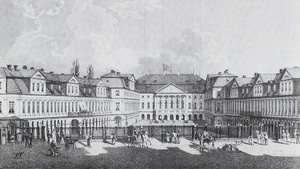
Between 1671 and 1753, Brunswick experienced a formative phase: the Dukes of Brunswick-Wolfenbüttel once again held court in the city more frequently - and yet Brunswick did not develop into the new royal seat in a straight line. Brunswick still shared this function with Wolfenbüttel until 1753. Moreover, the court was not the only factor that shaped the city. Above all, the trade fairs and the expansion of the fortifications determined city life.
Spirit, splendor and money changed the cityscape and social structure of Brunswick in the first half of the 18th century: the court opera was established, the goldsmiths' guild flourished, Brunswick merchants and craftsmen benefited from building grants, and some Wolfenbüttel entrepreneurs - such as the court clockmaker Johann Michael Hager - moved to the Okerstadt to the north.
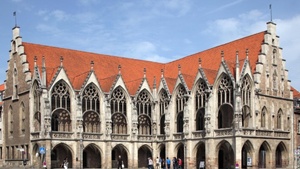
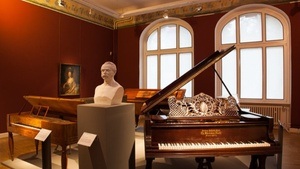
Historian Sebastian Mönnich traces the links between trade, power and representation in his lecture. The Municipal Museum in the Old Town Hall houses a number of exhibits on Braunschweig's role as a royal seat.
Lecturer: Sebastian Mönnich
Location: Kleine Dornse, Old Town Hall
This content has been machine translated.Location
You might enjoy this as well?








Events near you
Activities near you
Popular event locations
The best event recommendations for the Rausgegangen App!

Gemeinsam Events erleben
Events werden noch schöner wenn wir sie teilen! Deshalb kannst du dich jetzt mit Friends und anderen Usern vernetzen um Events gemeinsam zu besuchen. Loslegen