Dieses Event ist vorbei. Hier geht’s zu
coolen aktuellen Events.
Event ist beendet
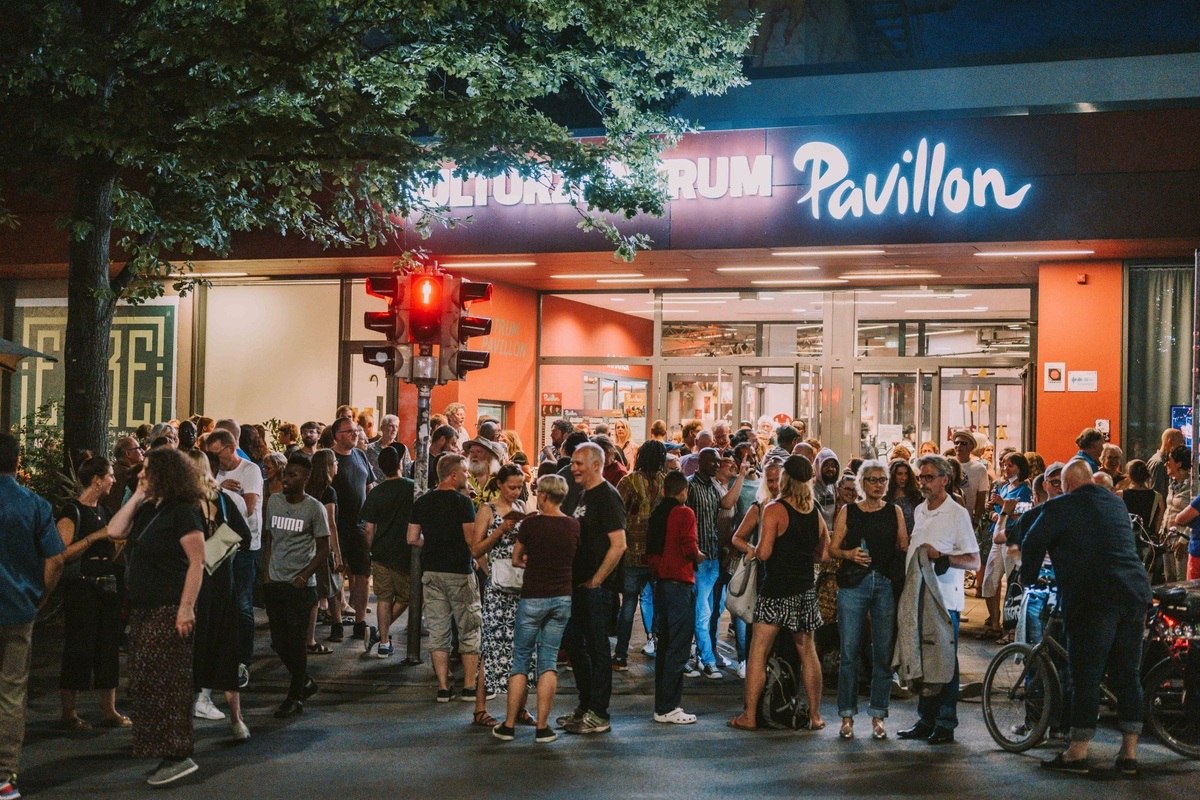
PHOTO:
© China Hopson
HALLO MARY!

In the organizer's words:
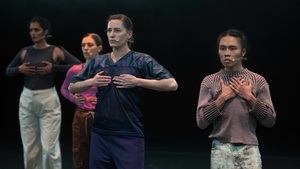
In her work, Mónica García Vicente focuses on the figure of the Hanoverian Mary Wigman as an artist and woman who brought about a significant transformation in the perception and interpretation of dance. Mary Wigman placed particular emphasis on the representation of an individual's inner world through dance. In contrast to other styles, she focused less on form and more on expressiveness. Her thesis that movement is worth more than many words and her production of "absolute dance" are of central importance in this context. She also argued that dance is a statement in itself, a vision that has a significant impact on our identity. It is about finding a safe space to express ourselves, in addition to communicating directly with the universal language that connects us, namely dance, movement and gesture. The analysis of Mary Wigman's work and life in Hanover and the examination of her own identity, which she shaped, form the basis for the development of a new interpretation of expressive dance.
Location
You might enjoy this as well?






Noch mehr Events dieser Location-Page
Kulturzentrum Pavillon






![[theater]](https://imageflow.rausgegangen.de/url/https%3A//s3.eu-central-1.amazonaws.com/rausgegangen/Wl07izvTQaqfR5rFY3Tf_img202605120011.jpeg?width=300&height=225&mode=crop)
Be always up-to-date with the latest events in Hannover!


Events near you
Activities near you
Popular event locations
The best event recommendations for the Rausgegangen App!
