Sonderausstellung "Menschen machen Museum - Präparation"
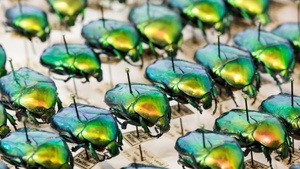
In the organizer's words:
What happens behind the doors of a research museum?
Curtain up for the taxidermy!
What appears to be alive at first glance is the result of an elaborate interplay of craftsmanship, science and design. In our taxidermy workshops, objects are created that preserve animals and plants permanently - for research, collections and exhibitions. The new exhibition section of the "People make museums" series is dedicated to this mostly hidden work and the people who carry it out.
Our biological taxidermists work with materials such as skin, bone, plaster, silicone, resin and paint. They restore historical animal specimens, produce research objects for the collection and design exhibits that convincingly reproduce the size, posture and expression of an animal. The spectrum ranges from the smallest details such as eyes or skin structures to large-scale models of entire animals and habitats.
The new part of the special exhibition shows how taxidermy is created - and at the same time poses the question of what "real" means. Some objects are made from original animal material, others are completely modeled or molded. Eyes are replaced, bodies recreated, surfaces painted. The aim is not to deceive, but to provide insight: the most accurate, vivid access possible to the diversity of nature.
At the same time, it becomes clear that specimens always reflect their time of origin. Historical hunting trophies, early dioramas and older taxidermy tell of changing ideas of nature, power and knowledge. Modern taxidermy, on the other hand, sees animals as part of complex ecosystems and as living beings worthy of protection.
The exhibition thus opens up a view of taxidermy as a cultural and scientific practice - and of the people whose work makes it possible to make nature visible, understandable and researchable in the museum.
This content has been machine translated.Location
You might enjoy this as well?





Events near you
Activities near you
Popular event locations
The best event recommendations for the Rausgegangen App!

Gemeinsam Events erleben
Events werden noch schöner wenn wir sie teilen! Deshalb kannst du dich jetzt mit Friends und anderen Usern vernetzen um Events gemeinsam zu besuchen. Loslegen