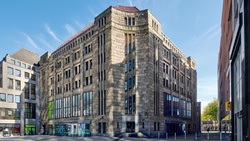
PHOTO: © MKK
Stadtführung: Was die Stadt am Laufen hält
In the organizer's words:
Light at the push of a button, clean drinking water, proper wastewater disposal, and public transportation seem like a given to us. Yet without these utility systems, neither our daily lives nor modern consumption would be conceivable. We often don’t realize how important infrastructure is until it stops working. When trains are frequently delayed or the power goes out, a service we take for granted quickly becomes a public nuisance.
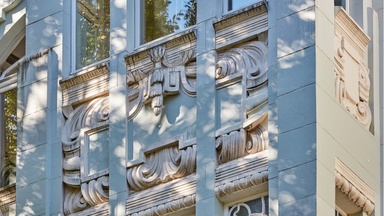
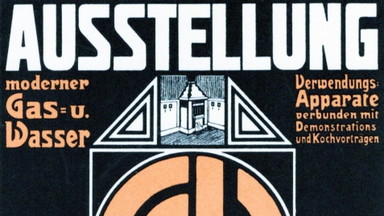
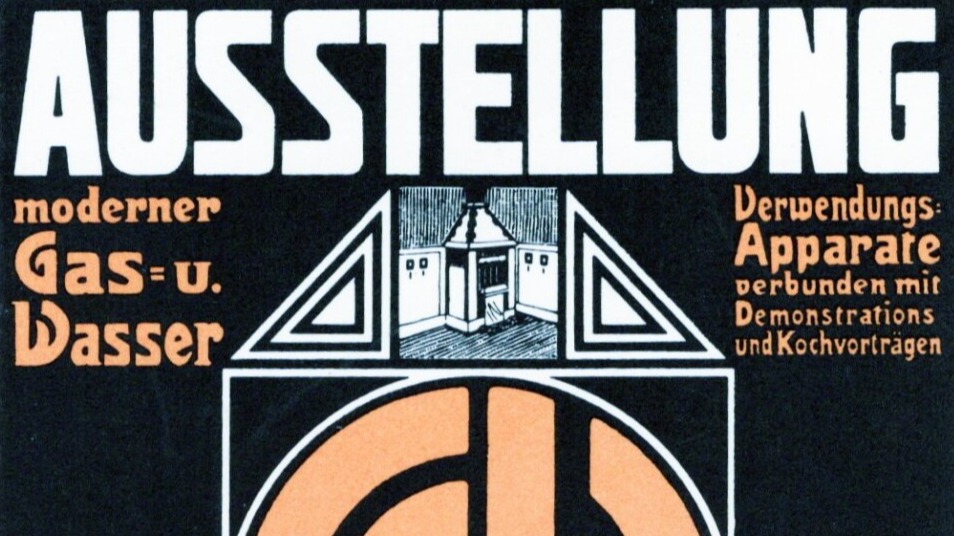
This city walk traces the history of electricity, gas, water, transportation, and waste management in downtown Dortmund. Many of these systems were established in the second half of the 19th century, when Dortmund was growing rapidly. While just over 10,000 people lived here in 1850, by 1900 the population had already surpassed 140,000. The city had to pave streets, lay sidewalks, build water mains and sewer systems, construct gasworks, and create new modes of transportation.
What seems normal today was sometimes considered a technical sensation back then. Households first had to be convinced of the benefits of connecting to an electrical grid, while other innovations were rejected as superfluous or nonsensical. This tour shows how the modern city came into being and why a functioning infrastructure is far more than just a technical achievement. It enables social participation, builds trust, and contributes to the cohesion of an urban community.
Meeting point: at the “Chip” in front of the new museum entrance/Amiens Square.
Tickets must be purchased in advance at the Museum of Art and Cultural History.
Price information:
8,90 € per person, 4,50 € reduced
Location
Weitere Termine von Stadtführung: Was die Stadt am Laufen hält








Noch mehr Events dieser Location-Page