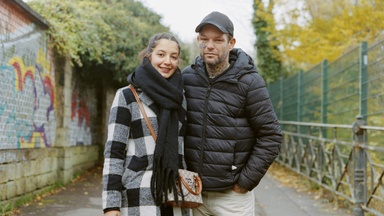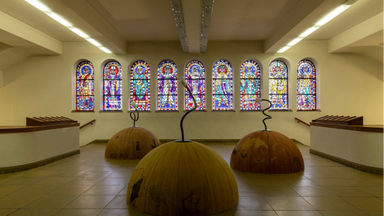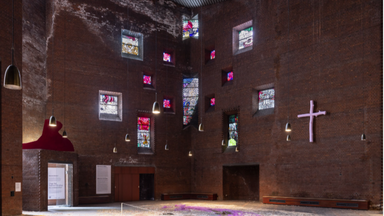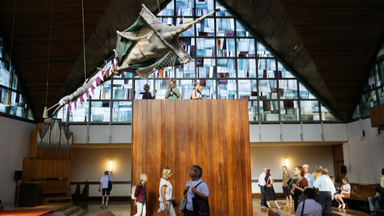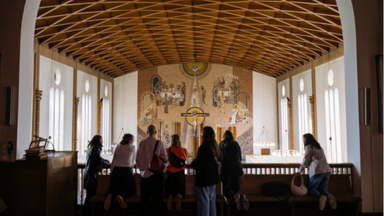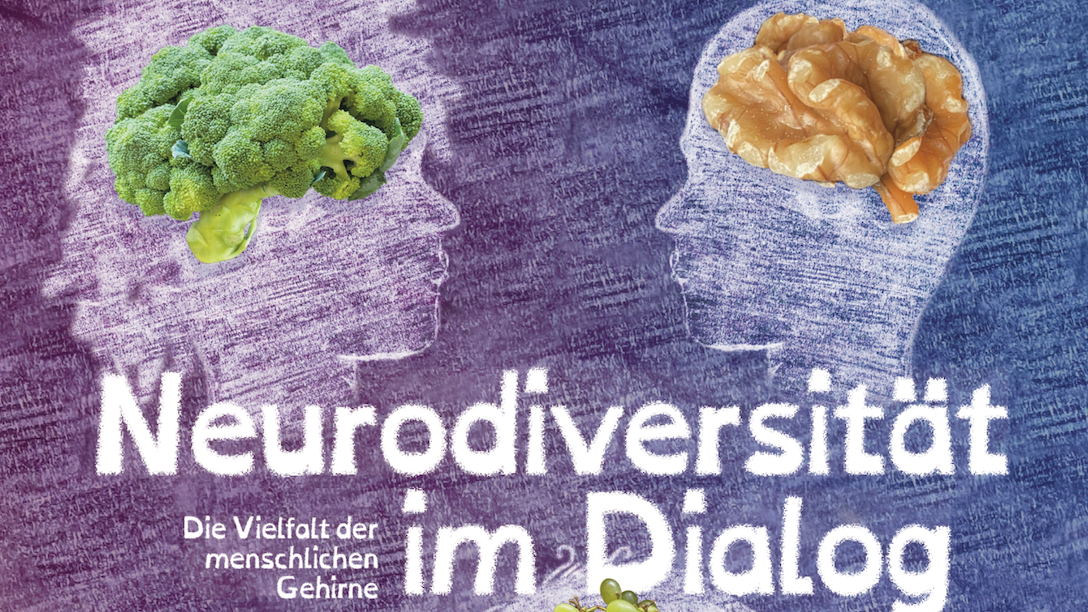
Titelbild der Veranstaltung Vernissage: Neurodiversität im Dialog

PHOTO: © Neurodiversität im Dialog

Vernissage: Neurodiversität im Dialog

In the organizer's words:

Art Exhibition at the VielRespektZentrum
Rottstr. 24-26, 45127 Essen
Instagram @neuro_im_dialog
September 13 – October 11, 2026

Exhibition opening on September 12, 2026, at 5 p.m., withsnacks and drinks! 

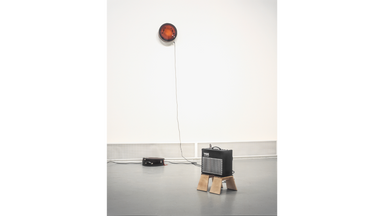
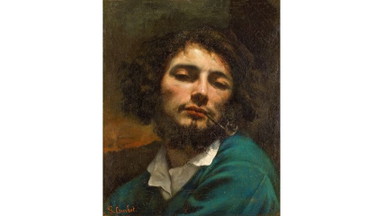
For four weeks, contemporary artistic perspectives on the theme of the diversity of human ways of thinking and perceiving will be presented. The works explore the many facets of neurodiversity. Video works, musical pieces, comics, sculptures, watercolors, photographs, paintings, and collages invite visitors to a multisensory experience. Neurodiversity affects an estimated 15–20%of the population. Most of us know people who are affected, or may even be neurodivergent ourselves. The nonprofit center’s free art exhibition offers barrier-free access.

The exhibition is curated byJette Blume.In collaboration with theBZND—Center for Neurodiversity—a video interview with expertDr. Judith Rommelwill also be shown on-site.

The term “neurodiversity” describes the fact that people have different brains and nervous systems. Neurodivergent people perceive the world in a different way. Examples of neurodiversity include ADHD, autism, dyscalculia, giftedness, high sensitivity, and dyslexia.

This content has been machine translated.

Location

Vielrespektzentrum
Vielrespektzentrum Rottstraße 24-26 45127 Essen

Accessibility information

You can find everything about accessibility at Rausgegangen here.

Wheelchair accessible

This pictogram indicates that this venue is accessible for wheelchair users. All essential areas can be reached without steps—via ramps or lifts. Doorways are at least 90 cm wide, and wheelchair spaces are available in the auditorium.

This information applies to this event and was provided by the organizers themselves.

Wheelchair-accessible toilet

This pictogram indicates that an accessible toilet is available on site: with grab rails, a height-adjustable mirror, and sufficient space for manoeuvring (at least 150 × 150 cm with a hinged door, 120 × 190 cm with a sliding door). The door width is at least 90 cm.

This information applies to this event and was provided by the organizers themselves.

Accessible for people with mobility impairments

This pictogram indicates that, at this venue, essential areas can be reached without long walking distances. There are no steps, or only a small number of individual steps, and sufficient seating is available.

This information applies to this event and was provided by the organizers themselves.

Easy Read

This pictogram indicates that information about this event is available in Easy Read (Leichte Sprache)—a simplified form of everyday language aimed at people with learning disabilities. Easy Read texts follow a defined set of rules and have been reviewed and tested by reviewers with learning disabilities. If the information is provided in plain language instead, this will be stated in the description. Plain language does not follow a fixed rule set and is not formally reviewed. It is characterised primarily by generally understandable wording and straightforward sentence structure.

This information applies to this event and was provided by the organizers themselves.

Neurodiversity-friendly

This pictogram indicates that this event is designed with neurodivergent people in mind and that the team is sensitised/trained accordingly.

This information applies to this event and was provided by the organizers themselves.

Quiet room available

This pictogram indicates that a low-stimulation quiet room is available on site, which you can use at any time during the event—to take a breath, recover, or simply take a break.

This information applies to this event and was provided by the organizers themselves.