Zwischen Spur und Stille | Gespräch zwischen Alexander Fichtner und Hella Sinnhuber

In the organizer's words:
Photography in the field of tension between art and journalism
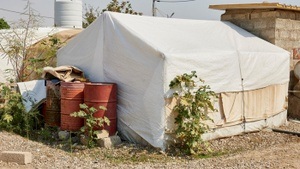
In conversation with Hella Sinnhuber, Alexander Fichtner gives an insight into his photographic practice between journalism and art. Taking Survival in a Tent as his starting point, he talks about his work in the Sheikhan refugee camp and his pared-down visual language, which allows places and traces to speak for themselves.
Influenced by his artistic and journalistic work, Fichtner combines documentary accuracy with artistic condensation. His images thematize memory, loss and invisibility - without staging reality.
The role of photography in the context of democracy and freedom of the press is also negotiated in the dialog: as a visual testimony that creates attention and makes social responsibility visible.
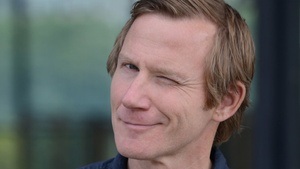
Hella Sinnhuber, cultural scientist, journalist and co-founder of the experimental cultural laboratory artpark Hoher Berg. She has been a radio and TV presenter for many years, including for WDR and ZDF. She teaches cultural journalism at the Westfälische Hochschule.
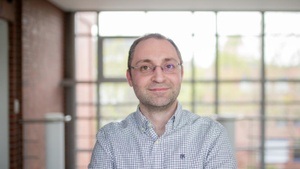
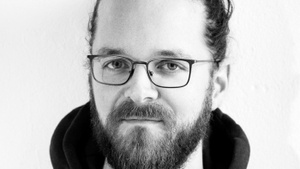
Alexander Fichtner, born in Herten in 1979 and raised in the Ruhr region, works as a freelance photographer, journalist and artist. He studied fine art and photography at the FAdBK in Essen, where he graduated as a master student of Professor Stephan Paul Schneider. He also studied journalism and public relations at the University of Applied Sciences in Gelsenkirchen. His research has taken him to the Baltic States, the Balkans and the Caucasus. His photographic work moves between journalistic precision and artistic expression without distorting reality. It is precisely the absence of people that characterizes many of his pictures and lends them a special atmosphere of stillness, emptiness and isolation. Places and objects emerge as the actual narrators.
This content has been machine translated.Location










Events near you
Activities near you
Popular event locations
The best event recommendations for the Rausgegangen App!
