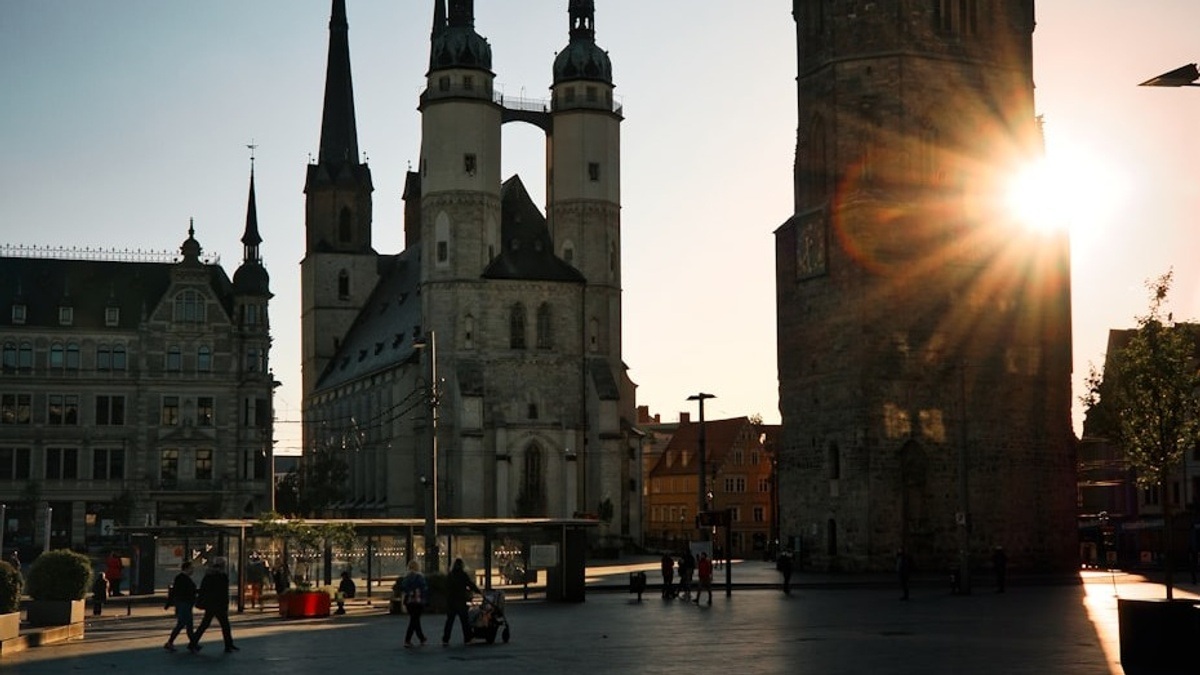
Gedenkstätte ROTER OCHSE
In the location's words:
The special feature of the "Roter Ochse" prison as a historical site is that the political persecution of alleged and actual opponents of the regime and the associated human rights violations from two dictatorial periods are made accessible to the public.
The staff of the museum took over the legacy of the Ministry for State Security (MfS) of the GDR - a desolate state in the rooms and individual floors of the building. All the documents of the MfS were already in the depots of the Federal Commissioner for the Records of the State Security Service of the former GDR. The main task here was to research and process the files of the MfS departments working in the "Roter Ochsen".
In the course of the research work on political justice 1933-1989 at this location, it became clear that the former Nazi prison area (1942-1945) took up almost the entire first floor of the memorial building. The problem of the dual use of rooms in this building, which was essential for further conceptual work, and how to deal with it in terms of perspective were therefore obvious. In addition, this included taking into account aspects of monument preservation in the further planning in accordance with the multifunctionality of the building.
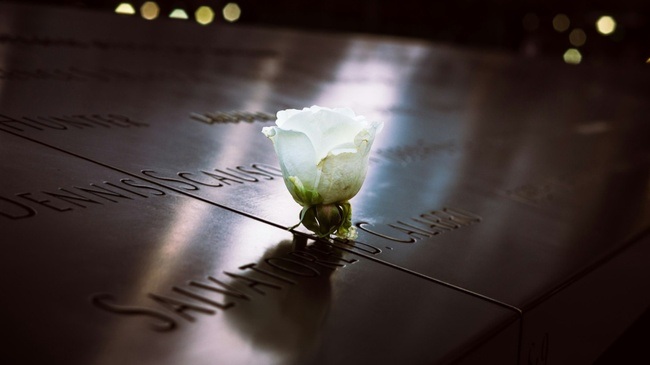
The memorial is both a place of learning, education and research as well as a place of mourning, remembrance and commemoration. Visitors to the memorial, especially former victims and their relatives, are given the opportunity to linger individually.
This content has been machine translated.Future events by Gedenkstätte ROTER OCHSE
Get the Rausgegangen App!







Events near you
Activities near you
Popular event locations
The best event recommendations for the Rausgegangen App!

Gemeinsam Events erleben
Events werden noch schöner wenn wir sie teilen! Deshalb kannst du dich jetzt mit Friends und anderen Usern vernetzen um Events gemeinsam zu besuchen. Loslegen