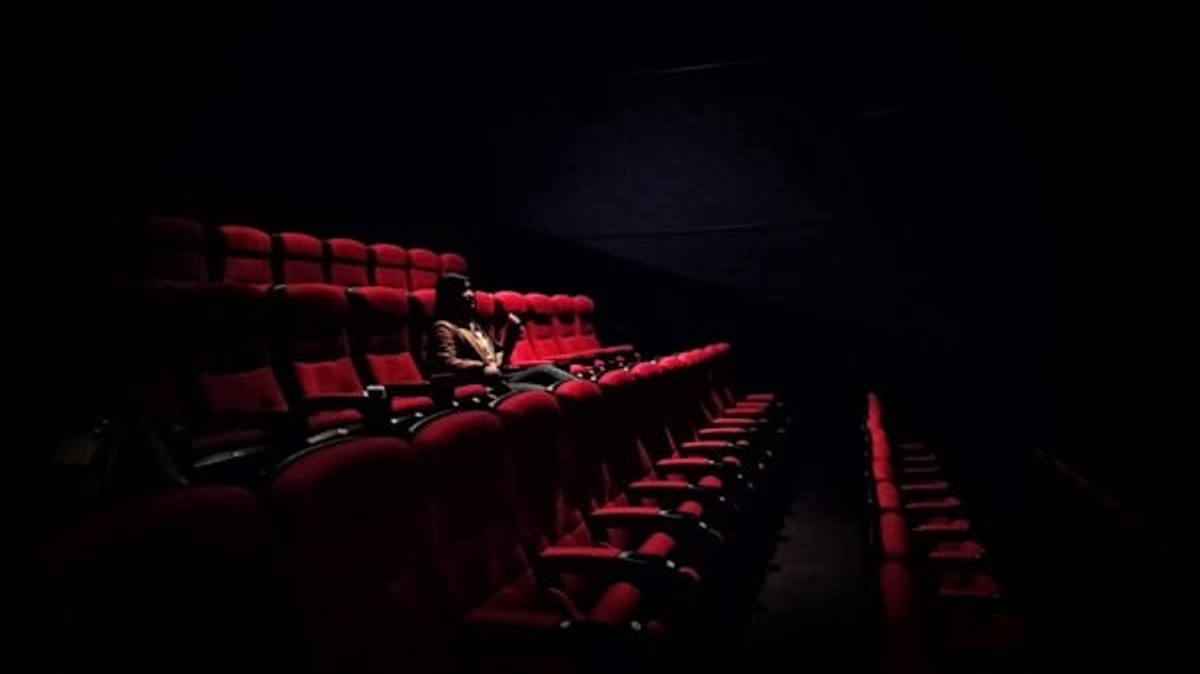
Metropol Kino Chemnitz
In the location's words:
The imposing Chemnitz METROPOL Theater, the glamorous counterpart to the Central Theater opposite, was built in 1912 and 1913 according to plans by Chemnitz architect Wenzel Bürger for the respectable sum of one million marks as a variety theater, hotel and restaurant.
The building complex consisted of a four-storey main building with a steep mansard roof and a large hall extension with two tiers that could seat 600 people.
The building's monumental appearance was richly structured, decorated with reliefs and sculptures and characterized by various tower superstructures.
The architecture is reminiscent of ancient temples and incorporates elements of historicism (Baroque, Classicism) and Art Nouveau.
The grandeur of the outer shell was consistently continued in the interior. The light-flooded vestibule with marble walls, columns and mosaics leads into the reception hall, which is decorated with chandeliers, valuable bronze reliefs and massive staircase balustrades.
The artists' magazine "Artist" describes the hall as follows:
"A sense of well-being fills us in the -holiest of holies- of this temple of art, in the auditorium furnished with such simple means and yet again with such dignified splendor.
Here, too, there is a veritable flood of light, the walls are covered with silk wallpaper, the side balustrades of the first tier are in mahogany, the balcony is in matt gold, and there is a ceiling painting by the Dresden master Goller, which alone cost a small fortune. The stage meets the requirements of modern cabaret art, it is simple but stylish, with particular emphasis on stage lighting. The orchestra is placed low. An attraction in itself is the METROPOL Hotel adjacent to the METROPOL Theater, the most modern hotel in Chemnitz / Germany with first-class comfort. A number of artists immediately took up residence in the cozy rooms."
The architect Wenzel Bürger created a monument to himself with the METROPOL as well as with his award-winning designs for the Chemnitz synagogue, commercial buildings, factory buildings and several villas for important Chemnitz manufacturers.
The national press reported in September 1913:
"Germany has thus received one of the most beautiful theaters dedicated to the lightest of the muses, the cabaret!"
The city council granted the establishment a liquor license, a permit for musical comedies, a dance license and a music license with the following conditions: "Only funny, colourful evenings should be arranged and cabaret, modern dance acts and musical numbers should be used, in short, a genre that does not directly conflict with variety."
The opening of the "METROPOL-Künstlerspiele" took place on September 23, 1913 with "14 major debuts" by German and international stars.
In the "golden twenties", the METROPOL became a real crowd-puller under the management of its director Hermann Blum, who ran it from day one.
Cinema time at the Metropol
However, the emerging film industry at the end of the 1920s and beginning of the 1930s promised more profit. The METROPOL Theater was converted into a cinema by the public limited company. From 1936 until the end of the Second World War, the building operated under the name "Filmpalast-METROPOL".
In 1945, the building suffered severe damage during the bombing of Chemnitz city center. The roofs and tower structures were completely destroyed.
After 18 months of repairs and the simplified reconstruction of the roof, whereby the building was shortened by one floor, the METROPOL-Lichtspiele reopened as the ninth cinema in Chemnitz on April 22, 1947.
"Die Fledermaus" was the first movie to flicker across the screen.
At the beginning of the 1950s, apartments were converted in the former hotel wing.
A complete reconstruction of the auditorium area and the façade took place in the 1980s, including plaster renewal, replacement of the main entrance doors in metal, but unfortunately also the removal of the four sculptures above the center resalit.
After reunification, Ufa (Universum Film AG) took over the METROPOL, but was unable to maintain the concept against the newly established cinema chains in the mid to late 1990s.
The building was closed on April 30, 1998, but not for long, as the Hamburg company "Kino Kino Entertainment" reopened METROPOL on September 3, 1998.
The Hamburg-based company KKE ran the theater as a budget cinema for seven years before withdrawing from Chemnitz at the end of 2005.
But after just 12 days of closure, a woman from Chemnitz, Evelin Paulat, reopened the METROPOL Chemnitz as a private operator.
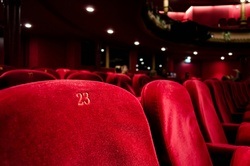
The vestibule, the reception hall and the cinema auditorium were finally given a new coat of paint, the 371 upholstered seats were refurbished and cleaned, carpets, curtains and wall coverings were professionally cleaned, the sales area was redesigned and the sanitary facilities were refurbished to today's standards.
Over a period of 10 years, Evelin Paulat turned the building, which had a reputation as a cheap movie theater, into a family cinema that was once again popular and frequently visited by the people of Chemnitz. As a classic "latecomer", it showed the most popular titles from blogbusters to children's films - just a few weeks later than the cinema chains. On the other hand, cinema tickets and popcorn were and are considerably cheaper here than in the multiplexes.
From cinema to movie theater
In 2016, it was time to retire and Evelin Paulat looked for a successor to the Metropol cinema. She found one in Maret Wolff. Born in Berlin, she moved to Chemnitz with her family for the Metropol project and now sets the tone in Chemnitz's oldest cinema. Her concept:
"I come from the arthouse cinema corner. I will continue to develop the Metropol in this direction. But it's a balancing act. Only arthouse cinema is almost impossible with this beautiful, but with over 370 seats, huge auditorium. We need to incorporate the color of arthouse cinema into the program and also offer the big titles.
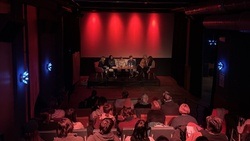
Whether it's stroller cinema on Wednesday mornings, documentaries in the DonnersDOK, original films with subtitles on Wednesday evenings or the classic children's screening on Sunday mornings - the Metropol should be a cinema for everyone and become even more so."
And the further development seems to be succeeding: in 2018, the Mitteldeutsche Medienförderung honored the Metropol as a cinema that had distinguished itself in the previous year through particularly committed programming. Read more here.
And in 2018, the Federal Government Commissioner for Culture and the Media awarded the Metropol cinema a cinema program prize for its culturally outstanding children's and youth film program.
You might enjoy this as well?
Future events by Metropol Kino Chemnitz
Get the Rausgegangen App!


You might enjoy this as well?


Events near you
Activities near you
Popular event locations
The best event recommendations for the Rausgegangen App!
