UNESCO-WELTERBE ZOLLVEREIN | ESSEN
In the location's words:
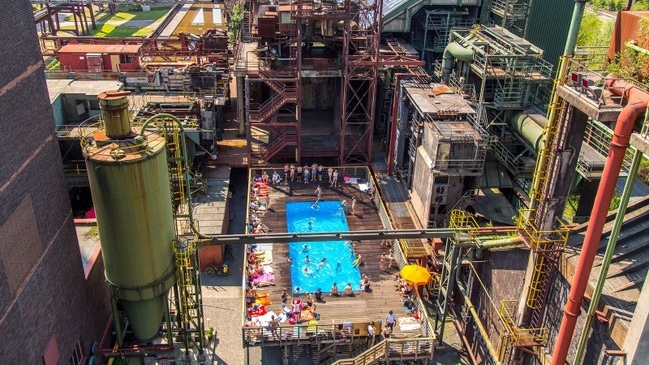
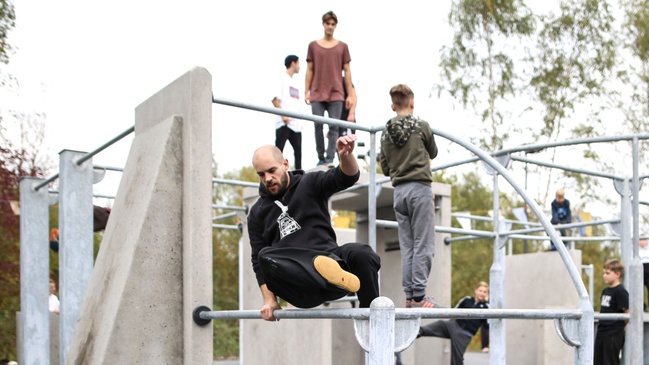
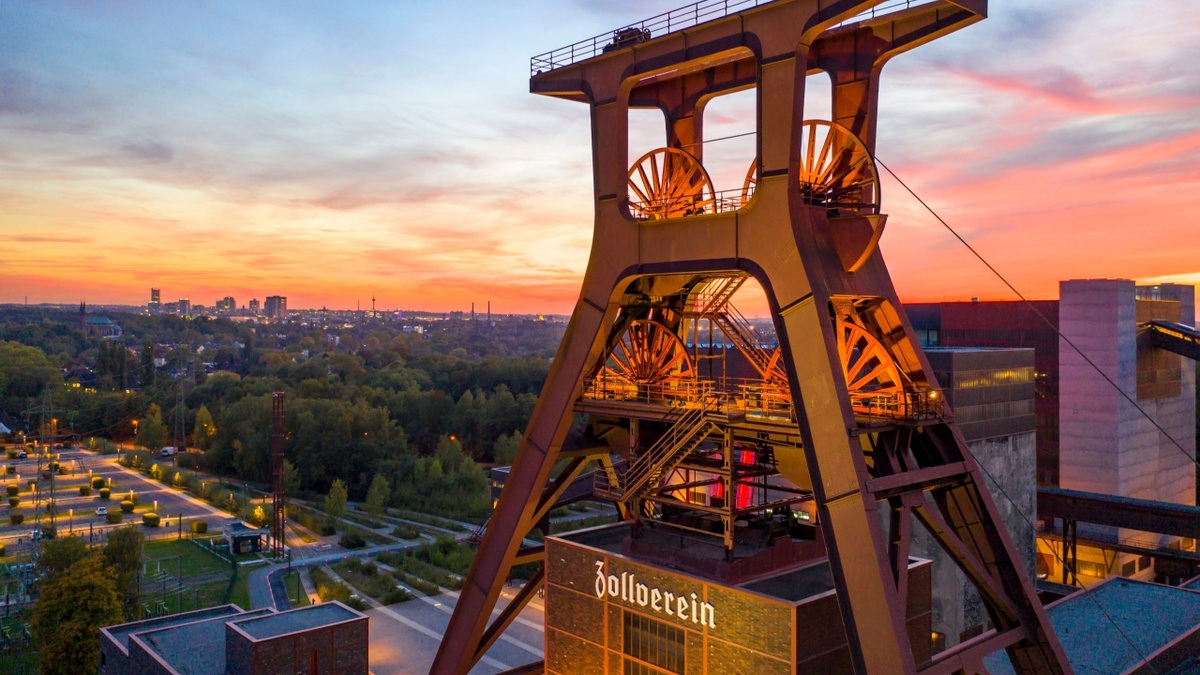
The Zollverein colliery and coking plant in Essen is a landmark of the Ruhr region, a monument to industrial culture and a symbol of the transformation of what was once the largest coal mine in the world into an attractive location for culture and leisure, education and business. Today, Zollverein stands for an identity-forming culture of remembrance in the Ruhr region and at the same time for forward-looking location development.
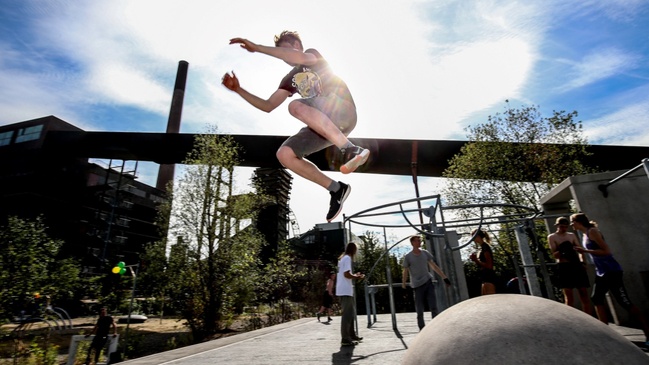
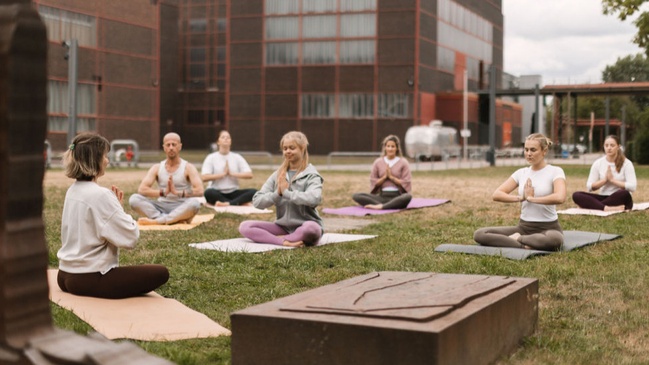
Zollverein has also made a name for itself as an event location, and the World Heritage Site has already received several awards as the best event location in Germany. Around 50 rooms and buildings offer space for a wide variety of occasions such as congresses, conferences, company events, product presentations or private celebrations. In addition, the Zollverein Foundation and its partners are continuously developing the World Heritage Site into an innovative business location. Museums and art studios use the former factory buildings, as do around 60 young companies in the creative and innovation industries.
The industrial monument
Between 1847 and 1986, a total of 240 million tons of coal were mined at the Zollverein colliery, with up to 8,000 miners working above and below ground in alternating shifts. The mine, with its largely automated work processes, was considered the largest and most efficient in the world. The last of a total of twelve shafts was put into operation in 1932 and was considered a technical and aesthetic masterpiece of modernism from the outset due to its functional, neo-Austrian design based on plans by Fritz Schupp and Martin Kremmer. The Zollverein coking plant to the west of Shaft XII was built in the same style from 1957 to 1961.
The Zollverein colliery closed on December 23, 1986, the last of a total of around 290 collieries in Essen, once the largest mining city in Europe. Shortly before its closure, the first parts of Shaft XII had already been placed under a preservation order. Three years later, the restoration of the site began as part of the International Building Exhibition (IBA) Emscher Park, a ten-year (1989-1999) future program of the state of North Rhine-Westphalia. In 2001, in addition to Shaft XII, the coking plant and the founder shaft 1/2/8 were also designated as industrial monuments, and in the same year UNESCO officially added the Zollverein colliery and coking plant to its World Heritage List as the "Zollverein Coal Mine Industrial Complex". The production facilities exemplify the social, economic, aesthetic and industrial history of the coal and steel age.
This content has been machine translated.Opening hours
Das Außengelände ist frei zugänglich. Die Öffnungszeiten der verschiedenen Institutionen vor Ort erfahren Sie auf www.zollverein.de.