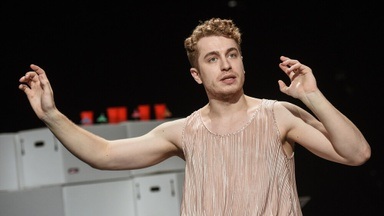
Nora oder Ein Puppenhaus
Noch niemand hat sich das Event gemerkt.

In the organizer's words:
Play
by Henrik Ibsen | Translated into German by Hinrich Schmidt-Henkel
In German
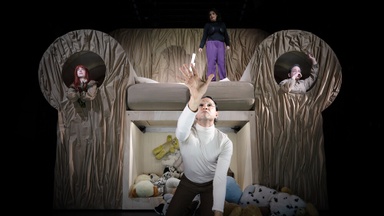
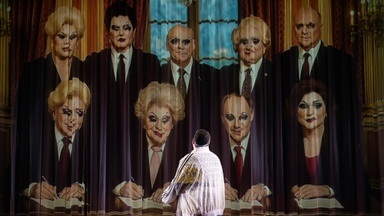
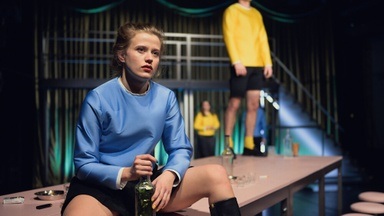
A luxurious home, beautiful children, a bright future—a (nightmare). Nora has traded freedom for status and lives as her husband’s pretty plaything in the eponymous dollhouse. Henrik Ibsen’s moving story of emancipation, retold by Julia Gudi. The bourgeois way of life as theater, the role of women: to be beautiful, to be funny, to be harmless. Nora plays the part brilliantly, reaping social privileges and paying the price with the loss of her independence. She lives in the illusory world of a house full of trivial things. But the harsh realities underpinning this world are coming to light with increasing clarity: patriarchal structures, prosperity at the expense of the less privileged, and credit fraud. Henrik Ibsen’s Nora is a multifaceted character, oscillating between self-sacrificing self-denial and a girl of luxury, a feminist icon and a privileged liar. The play has been rewritten and reinterpreted countless times. 147 years after its premiere, it lends itself perfectly to a reckoning on the topic of women’s emancipation. Julia Gudi reimagines the drama from a contemporary perspective. She stages a modern chamber play in which romantic relationships are revealed as a political space, showcasing how love, power, and economic dependence remain intertwined to this day.
This content has been machine translated.
by Henrik Ibsen | Translated into German by Hinrich Schmidt-Henkel
In German
A luxurious home, beautiful children, a bright future—a (nightmare). Nora has traded freedom for status and lives as her husband’s pretty plaything in the eponymous dollhouse. Henrik Ibsen’s moving story of emancipation, retold by Julia Gudi. The bourgeois way of life as theater, the role of women: to be beautiful, to be funny, to be harmless. Nora plays the part brilliantly, reaping social privileges and paying the price with the loss of her independence. She lives in the illusory world of a house full of trivial things. But the harsh realities underpinning this world are coming to light with increasing clarity: patriarchal structures, prosperity at the expense of the less privileged, and credit fraud. Henrik Ibsen’s Nora is a multifaceted character, oscillating between self-sacrificing self-denial and a girl of luxury, a feminist icon and a privileged liar. The play has been rewritten and reinterpreted countless times. 147 years after its premiere, it lends itself perfectly to a reckoning on the topic of women’s emancipation. Julia Gudi reimagines the drama from a contemporary perspective. She stages a modern chamber play in which romantic relationships are revealed as a political space, showcasing how love, power, and economic dependence remain intertwined to this day.
Location

Accessibility information
We don't have any accessibility information for this event.
You can find everything about accessibility at Rausgegangen here.
Organizer | Theater

Weitere Termine von Nora oder Ein Puppenhaus
You might enjoy this as well?











Noch mehr Events dieser Location-Page