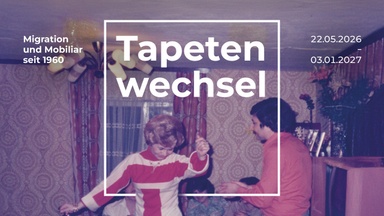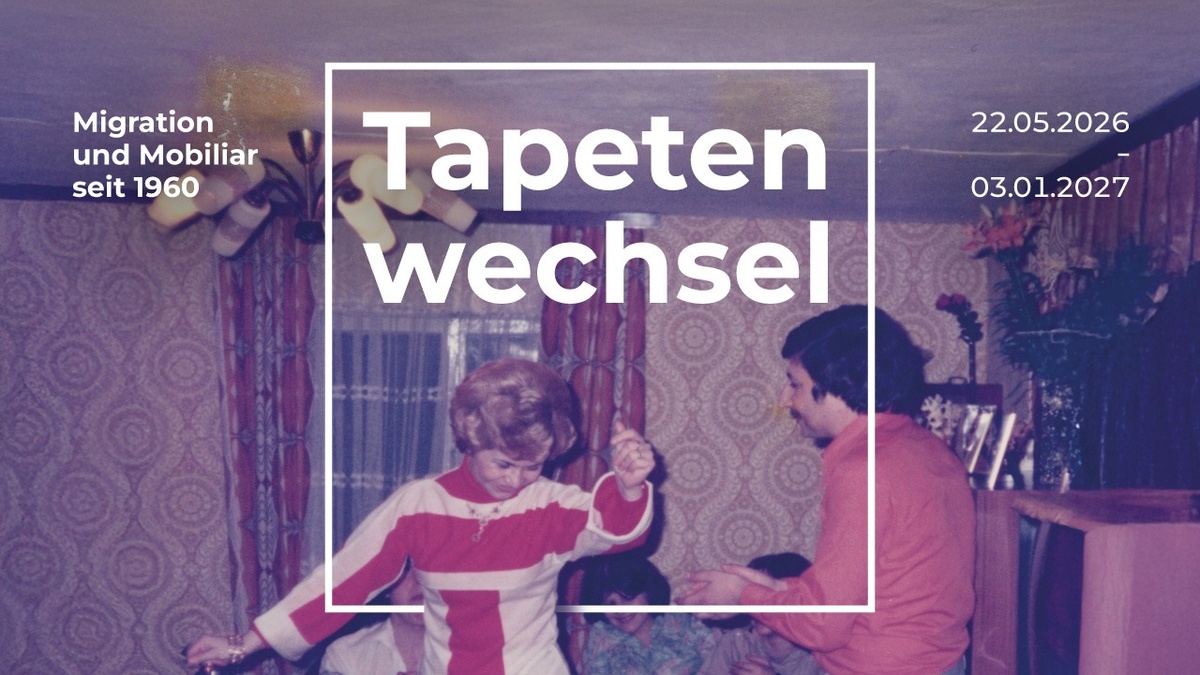
PHOTO: © Plakat-Motiv zur Ausstellung: Soula Palatianou in ihrer ersten eigenen Wohnung in Essen-Kettwig, 1970er Jahre © Agentur für Geistige Gastarbeit, Bonn | Gestaltung: Groupe-Dejour
Tapetenwechsel
Berlin
In the organizer's words:
The exhibition is dedicated to living in the city of immigration, the "Arrival City". It deals with both aesthetic and social issues. How do people settle in temporary accommodation? And how does the process of settling down become apparent through furnishings and taste?
Housing is a basic human need. Homes are a storehouse of memories and an expression of one's self-image. Living becomes difficult during migration. It is characterized by departures and arrivals, by ingenuity and interim solutions.
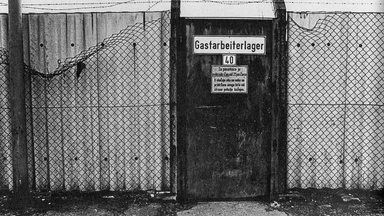
At the end of the war in 1945, a considerable amount of housing in Germany had been destroyed. From the 1950s to the 1970s, migrant workers in the Federal Republic of Germany sometimes had to sleep on park benches after their "change of scenery". Their "apartments" were garden sheds, barracks or former camps for forced laborers. The era of "guest work" was characterized by dormitories fenced in with barbed wire, condemned houses and cramped rooms. The dormitories for contract workers in the GDR in the 1980s can also be described as living in the unhoused, in the uncanny. Just like the accommodation for asylum seekers in reunified Germany in the 1990s.
Migration always means furnishing a room, setting up a table, putting up a curtain. But the sofa, the television, the wall unit, the rubber tree are not just things. They also characterize social conditions. The political dimension of living becomes visible in tenancy agreements, letters or the house rules. At the same time, housing as an everyday practice can create a home even under difficult conditions.
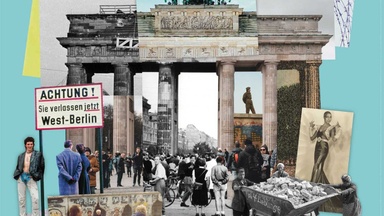
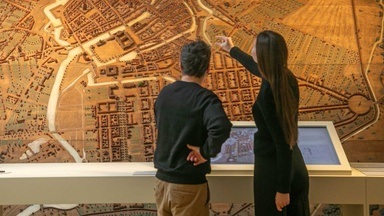
The exhibition "Tapetenwechsel" is part of a thematic focus at the Stadtmuseum Berlin on the history of migration. This also includes the exhibition "Geteiltes Leben" (Divided Lives), also at the Museum Ephraim-Palais, which opens on September 10, 2026. It presents artistic works in the context of migration and exile since the 1970s.
Guest curators: Burcu Dogramaci and Manuel Gogos
Supported by:
Capital Cultural Fund
Price information:
Regular: 7 euros Concessions: free Free admission Children: under 18 years Free admission Combination ticket 15 euros Valid for our three museums in the Nikolai Quarter (Museum Nikolaikirche, Museum Ephraim-Palais, Museum Knoblauchhaus) on two consecutive days (please note opening hours)
Location
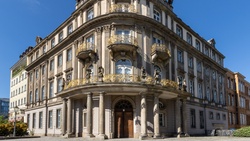
Accessibility information
We don't have any accessibility information for this event.
You can find everything about accessibility at Rausgegangen here.
Weitere Termine von Tapetenwechsel
06.
August
10:00
Berlin
Museum Ephraim-Palais
7,00 €
07.
August
10:00
Berlin
Museum Ephraim-Palais
7,00 €
08.
August
10:00
Berlin
Museum Ephraim-Palais
7,00 €
You might enjoy this as well?



Noch mehr Events dieser Location-Page