PHOTO: © Archiv der Stiftung Insel Hombroich
Vom Sperrgebiet zum Ort der Künste – Die Raketenstation Hombroich
So, 03. Mai 2026, 12:00 -
So, 09. Aug 2026, 17:00
Neuss

In the organizer's words:
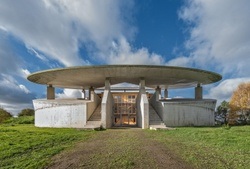
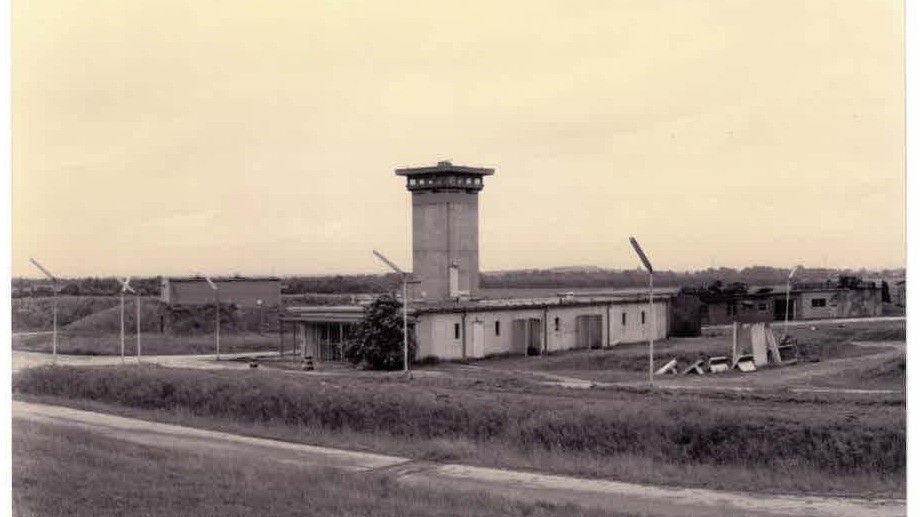
The NATO missile station, where Belgian and American military forces were stationed between 1968 and 1985, was barren, strictly guarded - a restricted area. This is precisely where the collector and patron Karl-Heinrich Müller saw the quality of this place: in its military-technical effect, the missile station would create an antithesis to the island of Hombroich. It should therefore be preserved "in its sober, cold form as a symbol of this century". Müller had already contacted the Federal Minister of Defense in December 1984: He had heard the missile station would soon be closed and he would like to buy or at least rent the site. However, it was years before the purchase took place, and it was not until spring 1994 that concrete plans began for the renovation, restructuring and establishment of the missile station as a "cultural laboratory", a place where the arts could take root between the recognition of the location and the multi-perspective development and rethinking.
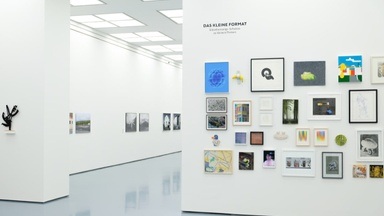
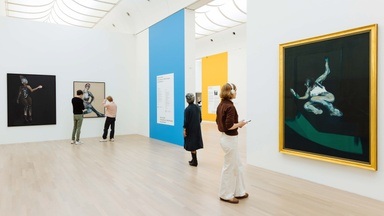
The exhibition in the Rooms for Photography brings together photographic documentation of the former missile station, NATO site plans and floor plans for the expansion and greening of the area, which illustrate the transition from a military site to a place for the arts. This process can be traced in concept papers, correspondence, sketches and works by Karl-Heinrich Müller and other actors at the missile station.
opening
Sunday, April 19, 2025
Rooms for Photography, Siza Pavilion, Raketenstation
Thereafter open: Saturday, Sunday and public holidays, 12 to 5 pm