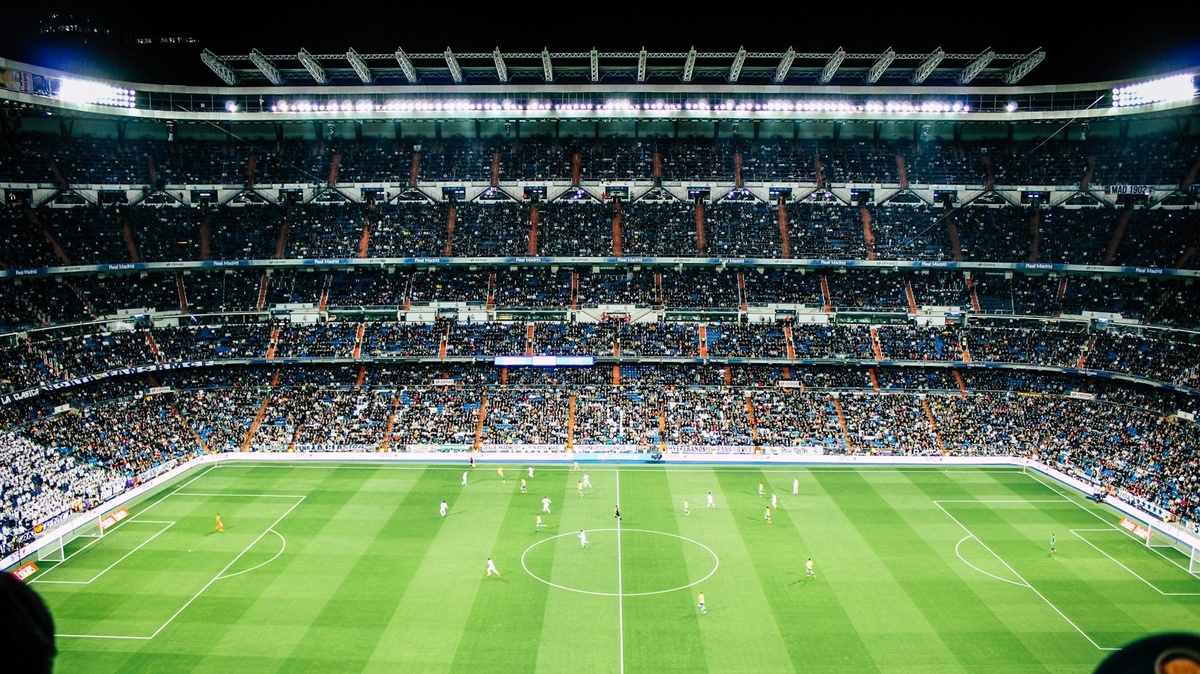
Ostseestadion
In the location's words:
In 1953, the construction of the Ostseestadion was initiated as part of the Hanseatic city of Rostock's promotion of competitive sport. Due to a lack of financial resources, the National Development Agency called for voluntary work, so that 23,6071 voluntary hours of construction work were carried out during the three-year construction period. Completed in 1956, the stadium had six running tracks and replaced the nearby Volksstadion as the largest stadium in the city of Rostock.
After the stadium was opened two years before its completion with the final competitions for the GDR athletics championships, the newly founded SC Empor Rostock celebrated its premiere in a packed Ostseestadion on November 14, 1954 with a 0-0 draw against BSG Chemie Karl-Marx-Stadt. Due to the ambition to establish itself permanently in the upper GDR leagues, a grandstand roof and floodlights were added to the Ostseestadion in the following years.
With the sporting successes and qualification for the (all-German) Bundesliga in the 1990/91 season, renovation measures were initiated for the stands and a scoreboard was installed. This was followed by the complete renovation of the stadium from April 2000 to June 2001. The result was a pure soccer stadium with a capacity of up to 29,000 spectators, including 20,000 seats including 1,000 business seats and 9,000 standing places. The Ostseestadion also offers 26 individually furnished VIP boxes and a business area with over 1,200 m² of floor space. The Ostseestadion also serves as the offices of F.C. Hansa Rostock GmbH und Co. KGaA.
This content has been machine translated.


Events near you
Activities near you
Popular event locations
The best event recommendations for the Rausgegangen App!


Gemeinsam Events erleben
Events werden noch schöner wenn wir sie teilen! Deshalb kannst du dich jetzt mit Friends und anderen Usern vernetzen um Events gemeinsam zu besuchen. Loslegen