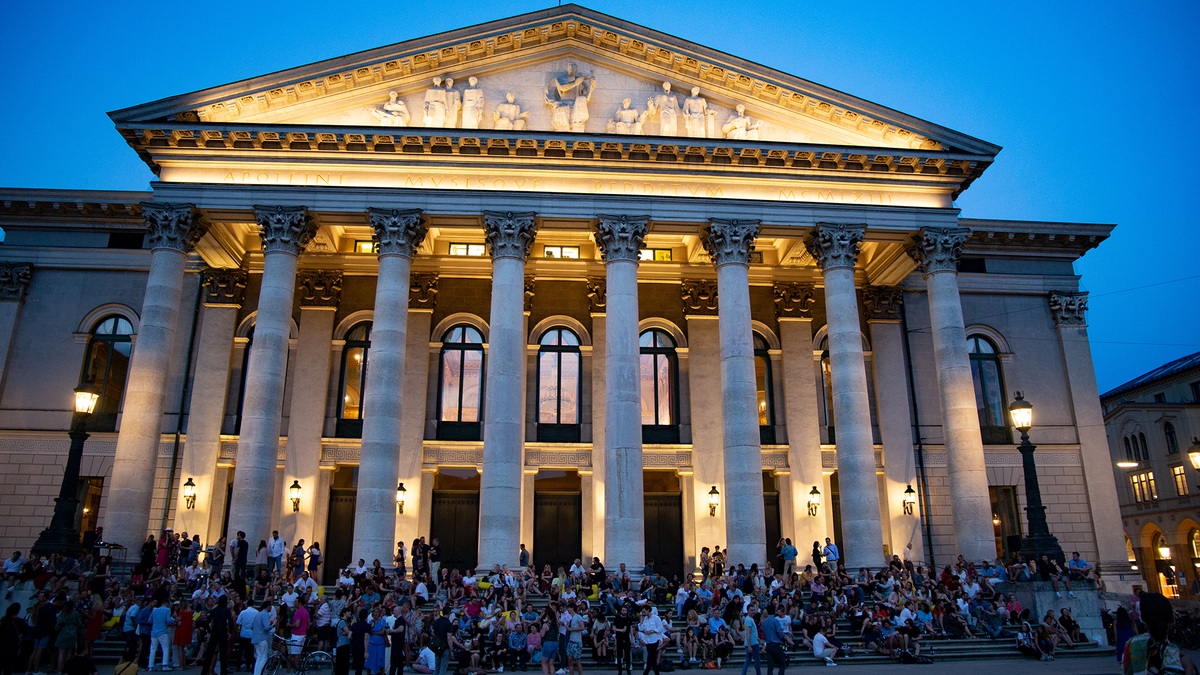
LE NOZZE DI FIGARO

In the organizer's words:
Composer Wolfgang Amadeus Mozart. Libretto by Lorenzo Da Ponte based on the comedy La Folle Journée ou Le Mariage de Figaro by Pierre-Augustin Caron de Beaumarchais.
Commedia per musica in four acts (1786).
In Italian with German and English surtitles. New production.
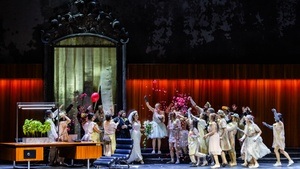
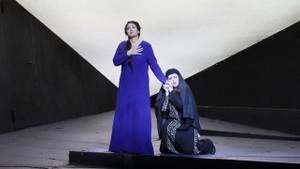
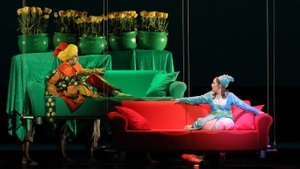
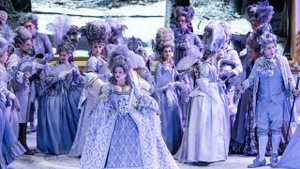
Count Almaviva has abolished the iusprimaenoctis, the right of the first night, himself. However, this circumstance does not stop him from stalking his subordinate Susanna, who is about to marry her Figaro. A clear case of sexual harassment. What happens when someone has a lot of money and power? Even the judiciary can bend to his will? Le nozze di Figaro was already more than a mere comedy in Mozart's time. The world depicted is permeated by the criminal machinations and open deceit of the high and mighty. Lorenzo Da Ponte's libretto, based on the scandalous play by the French revolutionary Beaumarchais, leads the colorful characters of a comedy of the estates into such hopeless situations that emptiness and a longing for death spread everywhere. The Count's love for his new wife Rosina, for example, has suddenly grown cold after the wedding, although he has just freed her spectacularly from the clutches of her guardian. He had been helped by the resourceful Figaro, of all people, whom the Count now employs as a valet in gratitude - perhaps also as questionable compensation for the harassment of Susanna. Hardly conquered, the Countess finds herself neglected and longs for either Almaviva's love or her own death. It takes a great deal of intrigue and counter-intrigue to disempower the encroaching Count and allow Susanna's wedding to her beloved Figaro to take place after all.
Location









Events near you
Activities near you
Popular event locations
The best event recommendations for the Rausgegangen App!
