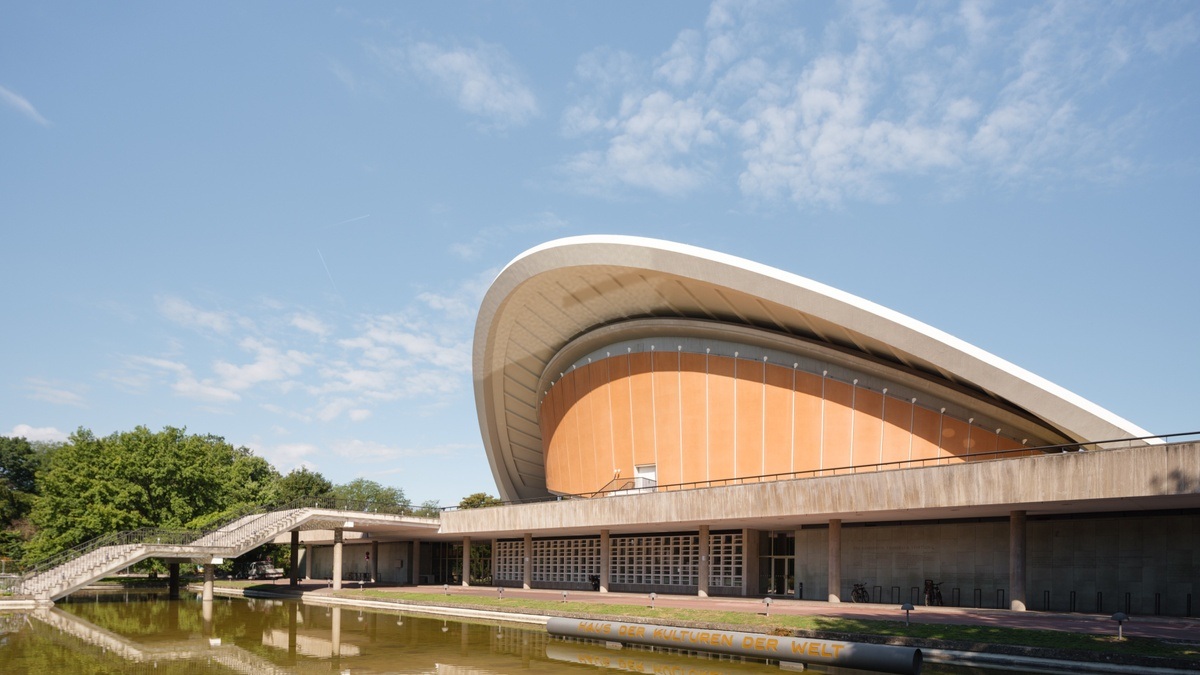
(Post-)Ostdeutschland?

In the organizer's words:
In German, simultaneous translation into English and German Sign Language (DGS)
The GDR was one of two successor states to Nazi Germany. The GDR was an anti-fascist alternative to National Socialism. The GDR was a state that terrorized and murdered people. The GDR was under the direct influence of the Soviet Union. The GDR had better literature. There was a comprehensive system of surveillance and spying in the GDR. Various forms of political resistance developed in the GDR. The GDR came to an end through a peaceful revolution. In the first and last free elections in the GDR, almost half of the eligible voters voted for the conservative Alliance for Germany. Today, the nationalist AfD is the strongest force in the new federal states, and yet 73% of its voters live in the old federal states and Berlin. Anyone talking about (post-)East Germany should also look at West Germany.
The second evening of the Heimatisierung discussion series is dedicated to the question of how these facts, assertions and attributions shape today's reality and how a (post-)East German identity can actually be told. To this end, lawyer and anti-discrimination trainer Sergej Prokopkin will give a keynote speech on the Post-Ost approach, which he helped to develop. Afterwards, the author Paula Fürstenberg, the cultural scientist Peggy Piesche, the historian Patrice G. Poutrus and the musician and author Yuriy Gurzhy will discuss these and other questions, moderated by the heimaten co-curators Max Czollek and Ibou Diop.
With: Paula Fürstenberg, Yuriy Gurzhy, Peggy Piesche, Patrice G. Poutrus, Sergej Prokopkin, moderated by Max Czollek and Ibou Diop
Further information
Location
You might enjoy this as well?



















Events near you
Activities near you
Popular event locations
The best event recommendations for the Rausgegangen App!
