Werner Bischof - Zwischen Farbe und Schwarzweiß

In the organizer's words:
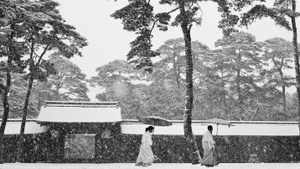
The Leica Gallery Düsseldorf presents the multifaceted oeuvre of Swiss Magnum photographer Werner Bischof (1916-1954). Bischof, known for his iconic black-and-white photographs, also explored the medium of color surprisingly early on - he took his first photographs with the Devin Tri-Color Camera as early as 1938. These previously little-known color photographs are a remarkable find and prove that color was more than just a technical experiment for Bischof from the very beginning - it was a consciously chosen means of expression. Rare color photographs that highlight Bischof's sense of light, composition and atmosphere are juxtaposed with his best-known black and white images, including the iconic photograph of Shinto priests in the snowy Meiji Temple in Japan and penguins taking a stroll through Edinburgh. These images illustrate his mastery of capturing moods. Bischof's photographic work was characterized by the tension between documentary accuracy and artistic interpretation. In the post-war period, he vividly documented the destruction of Europe and later life in Asia and South America. In doing so, he lent his motifs a quiet dignity - regardless of whether he was working in color or black and white. With the handy Leica, Bischof finally discovered new photographic possibilities. The camera, a symbol of freedom of movement, allowed him to take spontaneous and dynamic shots that opened up a new level of artistic creation. The juxtaposition of color and black-and-white images reveals how both forms of expression complement each other in his work - and invites us to rediscover his oeuvre.
This content has been machine translated.Location
You might enjoy this as well?







Events near you
Activities near you
Popular event locations
The best event recommendations for the Rausgegangen App!
