Dieses Event ist vorbei. Hier geht’s zu
coolen aktuellen Events.
Event ist beendet

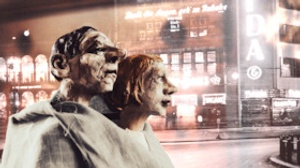
PHOTO:
© Schauspiel Köln
Bruder Eichmann
In the organizer's words:
1 Stunde 30 Min. • Keine Pause
»Tod durch den Strang« lautet 1961 in Jerusalem das Urteil gegen Adolf Eichmann, den Planer und Organisator des Holocaust. In einem der meist beachteten Gerichtsprozesse der Nachkriegszeit kommen unerträgliche Details über die nationalsozialistische Vernichtungsmaschinerie und deren Täter*innen ans Licht der Weltöffentlichkeit, denn der Angeklagte redet. Autor und Dramaturg Heinar Kipphardt destilliert aus über 3.500 Seiten Vernehmungs- und Gerichtsprotokollen einen Theatertext. »Ein Prozess hat mit dem Schauspiel gemein, dass beide mit dem Täter beginnen und enden, und nicht mit dem Opfer«, schreibt Hanna Arendt in ihrem Bericht EICHMANN IN JERUSALEM.
»Death by hanging«. This was the sentence proclaimed in Jerusalem in 1961 against Adolf Eichmann, the planner and organiser of the Holocaust. In one of the most highly publicised trials of the post-war period, agonising details of the Nazi’s extermination machinery and its perpetrators come to light because the accused speaks. Author and dramaturg Heinar Kipphardt—along with Peter Weiss and Rolf Hochhuth, one of the leading representatives of documentary theatre in the 1960s—distils a theatre text from over 3,500 pages of interrogation and court transcripts. The play premiered posthumously in 1983 in Munich. »What a trial and a play have in common is that they both begin and end with the perpetrator, and not with the victim,« Hannah Arendt writes in her account of EICHMANN IN JERUSELEM . Kipphardt’s play brings this perpetrator, this »Brother« (»Brother Hitler«- Thomas Mann) uncomfortably close. In his productions of Didier Eribon’s RETURN TO REIMS or Carolin Emcke’s AGAINST HATRED in the past theatre seasons , Thomas Jonigk has grappled with contemporary socio-political themes. He dedicates his next work for Schauspiel Köln to this contemporary historical document.
»Tod durch den Strang« lautet 1961 in Jerusalem das Urteil gegen Adolf Eichmann, den Planer und Organisator des Holocaust. In einem der meist beachteten Gerichtsprozesse der Nachkriegszeit kommen unerträgliche Details über die nationalsozialistische Vernichtungsmaschinerie und deren Täter*innen ans Licht der Weltöffentlichkeit, denn der Angeklagte redet. Autor und Dramaturg Heinar Kipphardt destilliert aus über 3.500 Seiten Vernehmungs- und Gerichtsprotokollen einen Theatertext. »Ein Prozess hat mit dem Schauspiel gemein, dass beide mit dem Täter beginnen und enden, und nicht mit dem Opfer«, schreibt Hanna Arendt in ihrem Bericht EICHMANN IN JERUSALEM.
»Death by hanging«. This was the sentence proclaimed in Jerusalem in 1961 against Adolf Eichmann, the planner and organiser of the Holocaust. In one of the most highly publicised trials of the post-war period, agonising details of the Nazi’s extermination machinery and its perpetrators come to light because the accused speaks. Author and dramaturg Heinar Kipphardt—along with Peter Weiss and Rolf Hochhuth, one of the leading representatives of documentary theatre in the 1960s—distils a theatre text from over 3,500 pages of interrogation and court transcripts. The play premiered posthumously in 1983 in Munich. »What a trial and a play have in common is that they both begin and end with the perpetrator, and not with the victim,« Hannah Arendt writes in her account of EICHMANN IN JERUSELEM . Kipphardt’s play brings this perpetrator, this »Brother« (»Brother Hitler«- Thomas Mann) uncomfortably close. In his productions of Didier Eribon’s RETURN TO REIMS or Carolin Emcke’s AGAINST HATRED in the past theatre seasons , Thomas Jonigk has grappled with contemporary socio-political themes. He dedicates his next work for Schauspiel Köln to this contemporary historical document.
Location










Noch mehr Events dieser Location-Page
Schauspiel Köln




Be always up-to-date with the latest events in Köln!


Events near you
Activities near you
Popular event locations
The best event recommendations for the Rausgegangen App!
