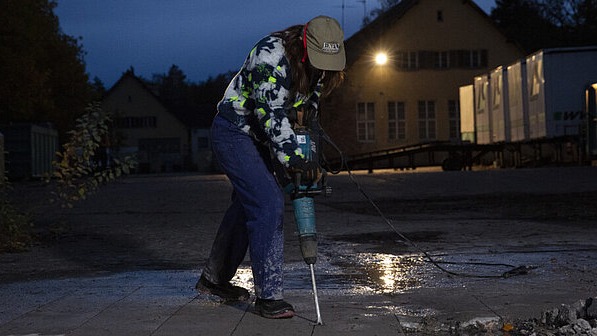
PHOTO: © Constanza Meléndez
Caroline Anne Kapp: Plantage Dachau
Mi, 29. Jul 2026
18:00 - 19:30
München
In the organizer's words:
The “Dachau Plantation,” founded by the SS in 1938 right next to the concentration camp and better known as the “Herb Garden,” was one of the largest work details at the Dachau concentration camp. It served as a building block for the planned war of aggression and the Nazi regime’s fantasies of self-sufficiency—an experimental facility straddling the line between esotericism and efficiency. Up to 1,600 prisoners—mostly Jewish men and women, as well as Sinti and Roma—cultivated 220 hectares of farmland. Many lost their lives while working there. After 1945, the matter was initially swept under the rug; then the soil was sealed with concrete: an industrial park emerged. Automobile and screw manufacturers, a gun shop, brothels, and a pastry shop set up shop there. Today, over 25,000 hectares in Germany are managed by the New Right and neo-Nazis. In 10 of 16 federal states, ethno-nationalist settlers own land. Their landscape planning focuses on the mapping and reorganization of large landscape areas. They plan to impose a cultural stamp on existing landscapes. The völkisch settlers draw on National Socialist ideologies that were conceived and tested, among other places, at the “Dachau Plantation.”
Caroline Anne Kapp has researched the overbuilt garden and, through her performance, brings it to life in the garden of the Lenbachhaus. The voices featured in the audio piece are those of Jana Baldovino, Jelena Kuljić, Anna McCarthy, Stefan Merki, and Julia Riedler.
On July 30, Caroline Kapp and Beowulf Tomek will present their joint research as part of thesymposium“How Fragmentary Are the World and Life? Art and Culture, a National-Conservative Milieu, and the “Völkisch” Worldview in Munich around 1900at the NS Documentation Center in Munich.
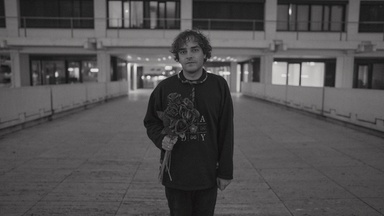
Caroline Anne Kappworks as a director and performance artist. She explores issues of memory politics related to Germany’s Nazi legacy, the contamination of landscapes, and contemporary fascist body politics.
A collaboration between the Munich Nazi Documentation Center and the Städtische Galerie im Lenbachhaus.
The event takes place as part of the symposium“How Fragmentary Are the World and Life?”and the“Buntes Garten Ciao”event.
Location: Garden of the Lenbachhaus
Price information:
No registration necessary.
Location
You might enjoy this as well?












Noch mehr Events dieser Location-Page