PHOTO: © Klaus Schmidt/MFK Uniklinik Köln
Herzinfarkt, Inkontinenz, Diabetes, Depression: Wie bessere Nachsorge Mütter vor Krankheiten im Alter bewahrt – und warum sie bislang ausbleibt
In the organizer's words:
Preeclampsia, high blood pressure, heart and vascular diseases, diabetes, pelvic floor damage, psychological trauma—after giving birth, many women are ill or at risk for future health problems. Yet in many places, the medical follow-up care that could prevent these consequences simply does not exist.
The result: Today, grandmothers suffer from chronic conditions that were already apparent during pregnancy—yet no one followed up on them. Women pay the price for this lack of follow-up care for the rest of their lives. Those who struggled with high blood pressure back then may go on to develop heart disease. Those who experienced vascular stress are now at increased risk of a heart attack. Those who suffered psychological trauma may still be struggling with the consequences today. All of this could have been detected early and, at least in part, prevented.
But what might better postpartum care look like? Regular blood tests, early detection of elevated cholesterol levels and blood pressure, targeted physical therapy for pelvic floor and core stability, and psychological support following traumatic births: measures that require relatively little effort but are rarely implemented. Many women can’t even find a doctor who will check their blood values after pregnancy. Physical therapy, for example, is often prescribed only for visible perineal tears, even though invisible damage can also lead to incontinence later on.
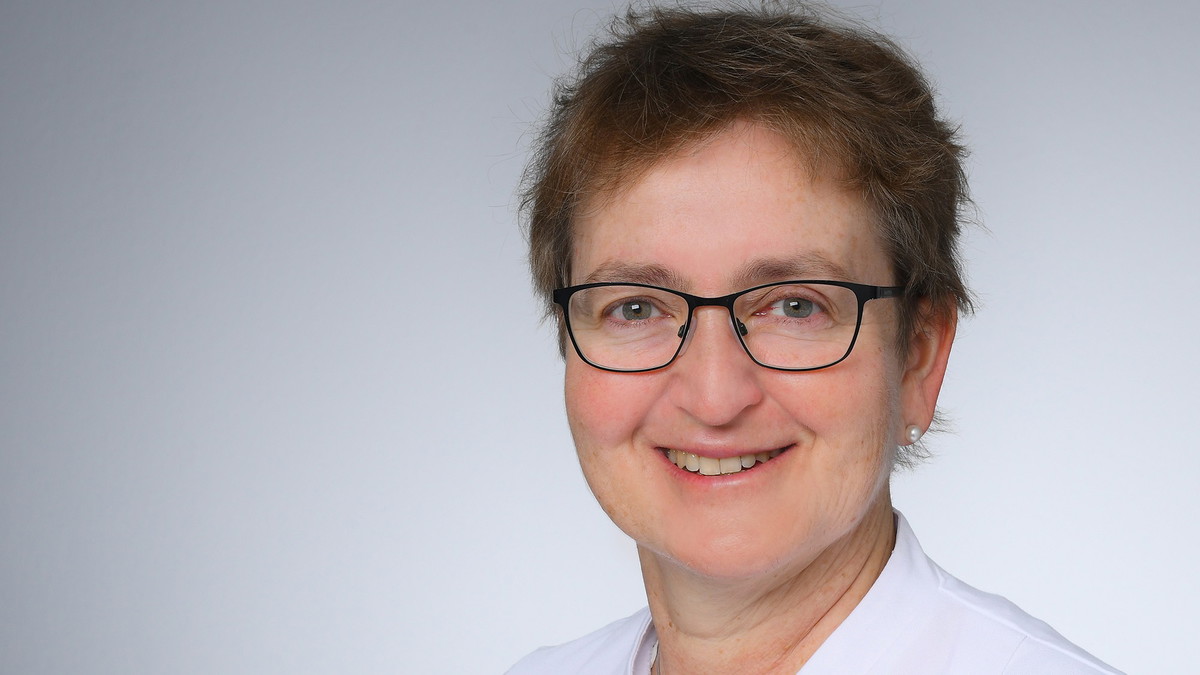
“Pregnancy allows us to look into a woman’s future health as if through a telescope,” says Professor Tanja Groten of the University Hospital of Cologne. At the “Medizintalk” event on September 14 at 7:30 p.m. at the Cologne Domforum, she will explain how this early screening, combined with timely treatment, can protect women from diseases in old age.
Groten will discuss how proper follow-up care could change lives—and she’ll pose an uncomfortable question: What does it say about our society when we let women down after childbirth? The event will be moderated by Claudia Lehnen, chief reporter at the Kölner Stadt-Anzeiger. Questions from the audience are expressly encouraged.
An evening for all those who are mothers themselves and are currently suffering from health issues stemming from their pregnancies. And for everyone who wants to understand why better postpartum care is not just a medical issue, but also a social one.
Location

You might enjoy this as well?











Noch mehr Events dieser Location-Page