PHOTO: © © Jennifer Altmann/Agentur Focus/SV
Straße, Platz, Palast – Jan-Werner Müller über die Architektur demokratischer Räume

In the organizer's words:
When talking about politics, we often fall back on references to architecture and urban planning: people take to the streets, the public sphere is seen as a marketplace of ideas, parliaments made of glass promise political transparency. But is there such a thing as democratic architecture?
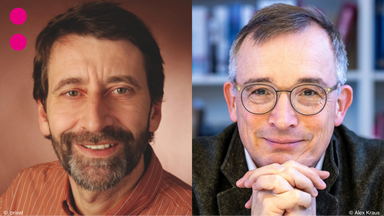
In Street, Square, Palace, Princeton political scientist Jan-Werner Müller ("What is Populism?") links the history of urban planning and political thought: from ancient places such as the agora to planned cities in the Egyptian desert and the Reichstag dome in Berlin. In this way, he develops building blocks for thinking about democracy and architecture. And the insight that democratic architecture must always give citizens the opportunity to perceive each other from surprising angles. Mod.: N.N.
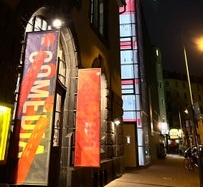
Location
You might enjoy this as well?

Get the Rausgegangen App!
Be always up-to-date with the latest events in Köln!




Noch mehr Events dieser Location-Page