Tôhoku Documentary Trilogy, Voices from the Waves, Kesennuma

In the organizer's words:
東北記録映画三部作 なみのこえ 気仙沼
Tôhoku kirokueiga sanbusaku, Nami no koe, Kesennuma
Director: SAKAI Kô, HAMAGUCHI Ryûsuke
2013, 109 minutes, OmeU, Blu-ray
The two films Nami no koe, Kesennuma and Nami no koe, Shinchimachi form the second part of the Tôhoku trilogy. Similar to the first part, the directors conducted interviews with victims of the tsunami in north-eastern Japan, traveling at different times and in different regions. While Nami no oto was filmed around six months after the disaster in the Iwate and Fukushima regions, the sequel was made around a year after the events and was shot in Shinchi (Fukushima Prefecture) and Kesennuma (Miyagi Prefecture). 21 people talk about their losses, but also about hope and everyday life. The cinematic transmission of their stories also creates a connection to those whose voices have been silenced forever by the waves.
Film series
Life after the disaster - documentaries from the Tôhoku region
On March 11, 2011, an earthquake and the subsequent tsunami destroyed large parts of the coastal regions of Tôhoku (north-eastern Japan), killing over 20,000 people or leaving many still missing. For filmmaker Komori Haruka (*1989), the disaster prompted her to relocate to the town of Rikuzentakata (Iwate Prefecture), which was almost completely destroyed by the tsunami, and to capture the effects of the disaster and the stories of the local population.
To mark the 13th anniversary of the disaster, the film series is showing three documentaries by the director, all of which were made in Rikuzentakata. Iki no ato follows a seed dealer whose business was swept away by the tsunami, while in Sora ni kiku a presenter captures people's thoughts and broadcasts them over the radio. Nijû no machi/Kôtaichi no uta o amu, a joint project with the writer and painter Seo Natsumi, shows a workshop whose participants themselves become a bridge between the past, present and future of the place.
The series is complemented by the films of the Tohoku Documentary Trilogy by directors Hamaguchi Ryûsuke and Sakai Kô, which were shot between 2011 and 2013 about the aftermath of the disaster.
Director Komori Haruka will be present in person at the screenings on March 16 and 18.
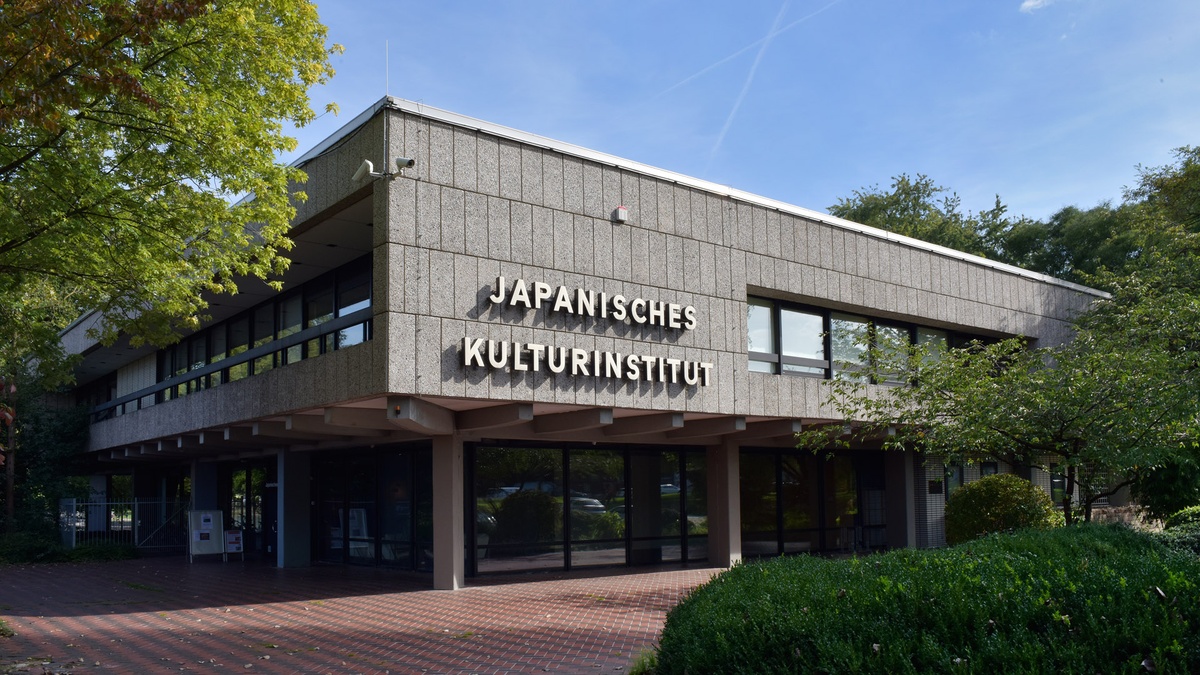
The film screenings and Komori Haruka's visit are being organized in cooperation with the Japanese Cultural Institute Paris and the Japan Foundation in Madrid.
Price information:
Admission free
Location










Events near you
Activities near you
Popular event locations
The best event recommendations for the Rausgegangen App!
